
Photo: Sky News
In recent UK political discourse, a troubling pattern has emerged in how some racial minority politicians are discussed, particularly when they hold non-traditional or controversial views within their own communities, such as on immigration or national identity. Within certain online and political spaces, derogatory terms like “coconut” (used to describe a brown person perceived as “white on the inside”) or “Uncle Tom” are increasingly used to label such figures. ¹ ² These terms imply betrayal: that the individual has abandoned their ethnic group in favour of aligning with white-majority political or elite structures, often framed as a form of self-interest or assimilation at the expense of their “own people.”
However, this framing raises serious concerns.
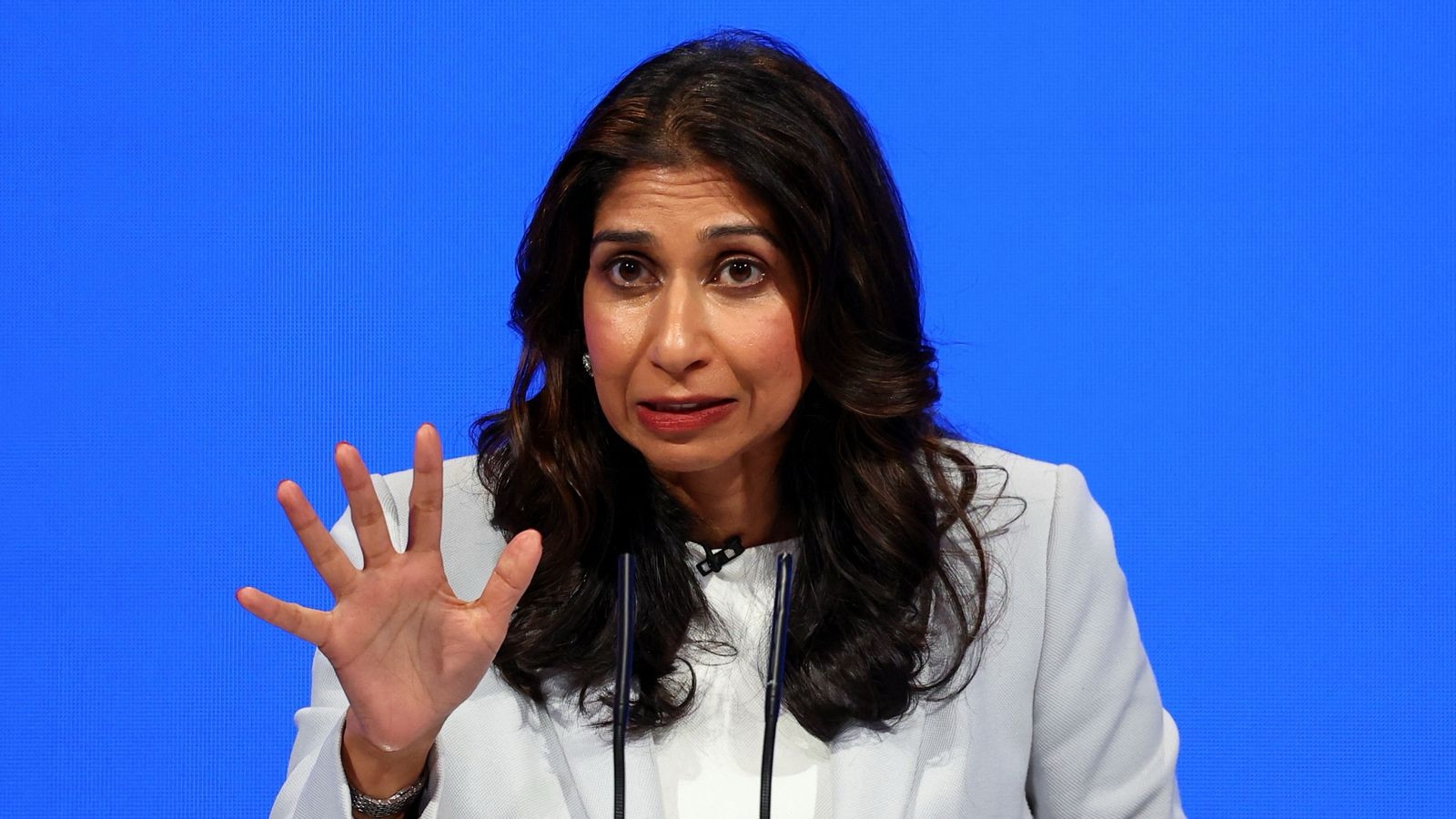
Take Suella Braverman’s tenure as Home Secretary in 2022–2023. Her “hurricane of immigrants” remarks drew significant public backlash and were widely compared to earlier rhetoric such as Enoch Powell’s “Rivers of Blood” speech. ³ ⁴ Critics argued that such language contributed to the framing of immigration in alarmist terms, potentially fostering public fear and hostility towards migrants. Others interpreted her comments as part of a broader political strategy to shape public opinion on immigration in a highly charged policy area. While there is room for legitimate disagreement over the intent and impact of her rhetoric, what is equally concerning is how criticism sometimes shifts away from policy and language, and towards her identity as a minority woman in politics.
To be clear, political speech should be open to scrutiny. As a senior government figure, Braverman’s choice of language carries weight and consequence, and it is reasonable to critique whether that language is responsible or divisive. However, that critique should remain focused on her political actions and statements, rather than being reframed through racialised insults or expectations about how a person of her background is “supposed” to think or behave.
Reducing minority politicians to labels such as “coconut”, “Uncle Tom” or “acting white” effectively polices political identity through race. ⁵ ⁶ ⁷ It suggests that individuals from minority backgrounds must conform to a narrow set of expected views in order to be considered authentic. This not only oversimplifies political belief, but also undermines the principle that people regardless of ethnicity, can arrive at different conclusions on issues such as immigration, economics, or national policy.
This is where the issue becomes broader than individual disagreements. Denying minority politicians the legitimacy of their views on the basis of racialised assumptions risks echoing the very exclusion that earlier generations fought to overcome in securing rights such as voting, political representation, and freedom of expression in the UK.
It is entirely possible and necessary to strongly disagree with politicians like Braverman on policy grounds, including the tone and implications of their rhetoric on immigration. But disagreement does not justify racialised dismissal. Criticism should engage with ideas, not reduce individuals to stereotypes tied to their skin colour or perceived loyalty to a group identity.
Free speech, after all, is not only tested by our willingness to defend those we agree with, but by whether we extend that same principle to those we do not.
1. The Guardian
4. BBC News
7. The Standard






Leave a Reply