

In December 2025, Henry Nowak, an 18-year-old British man of Polish heritage, was stabbed by Vickrum Digwar, a British Sikh man, with a dagger. Following the incident, Digwar’s brother contacted the police and reported that Digwar had been racially abused and assaulted. When officers arrived, Digwar allegedly told them that he had been attacked and that his turban had been pulled off. Meanwhile, Henry Nowak lay on the ground suffering from a fatal stab wound. In police bodycam footage that later became public, he repeatedly said, “I’ve been stabbed” and “I can’t breathe.”
“I don’t think you have, mate,” one officer responded.
The footage has since become the focus of widespread criticism. Officers handcuffed Nowak while he was seriously injured and bleeding to death on the ground. He died at the scene, surrounded by law enforcement and his killer.
Digwar was taken into custody. During the subsequent investigation, it emerged that allegations that Nowak had used a racial slur and pulled off Digwar’s turban were false. Prosecutors stated that these claims had been made in an attempt to justify the stabbing. It was also reported that Digwar’s mother assisted in concealing the weapon after the attack. In addition, when Digwar was taken into police custody that night, he was reportedly not handcuffed and was allowed to select a meal while in detention.

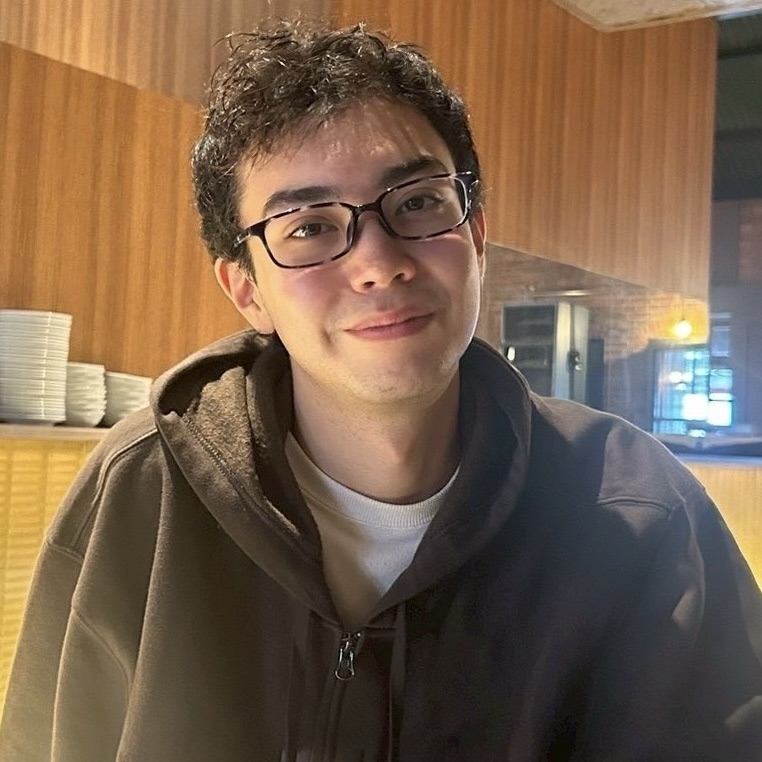
Image of Henry Nowak, via the BBC
The case resurfaced in June of this year when bodycam footage was released to the public, prompting renewed discussion about both the murder itself and the police response. For many people, the way officers appeared to assess the situation was very disturbing. Henry Nowak clearly sounded like he was in distress.
This criticism quickly developed into a broader political debate.
Reform UK leader Nigel Farage released a video in which he argued that the case demonstrated a form of “two-tier policing.” He claimed that the rights and concerns of white people were treated as “less important” than those of ethnic minorities. 1
Similar concerns were raised by Shadow Home Secretary Chris Philp in the House of Commons. Philp drew comparisons with previous cases, including the 2023 Nottingham stabbings and the 2024 Southport stabbings, arguing that authorities had, on multiple occasions, failed to act appropriately despite warning signs for both concerned individuals. Regarding Henry Nowak’s death, he stated that police appeared more concerned with allegations of racism than with assessing a potentially life-threatening injury. 2
Not everyone agrees with these interpretations. Critics of Farage and other commentators argue that they are using a tragedy to advance political arguments about immigration, race, and policing. Supporters of the likes of Farage, instead responded that they are highlighting genuine concerns about how public institutions operate and how officers make decisions in highly sensitive situations.
Henry Nowak’s father explicitly stated that he did not want his son’s death to be the cause of “division, hatred, or tension.” 3 After all, they are a grieving family who lost their son. Nevertheless, the case has become part of a much wider conversation about race, policing, and trust in British institutions, as protests erupted in Southampton, where people threw bricks at police forces. Some would argue that this reaction reflects a deeper frustration among some Britons regarding policing and whether the justice system operates equally for all. For these individuals, the case has become symbolic of concerns that certain groups may receive different treatment from authorities based on their race, ethnicity, or background.

Mugshot of Vickrum Digwar, via the Guardian
Comparisons have frequently been made to George Floyd, the Black American man whose murder by police in 2020 sparked international protests and widespread media attention. His last words were also famously “I can’t breathe.”
Many commentators have pointed out that Floyd’s death received immediate global coverage, while Henry Nowak’s case remained largely unknown to the wider public for several months. Images of then-Opposition leader Keir Starmer taking the knee in support of the Black Lives Matter movement have resurfaced due to these discussions. 6 Some argue that comparing the two cases is inappropriate and risks politicising a family’s tragedy. Others contend that such comparisons are unavoidable because public reactions to different incidents inevitably raise questions about media attention, so many have questioned why Starmer did not take the knee for Nowak, who unlike Floyd, is a citizen of this country.

Nigel Farage defending his comments on Nowak’s death, via Breaking News.ie.
The debate has become increasingly polarised. Commentators such as Tommy Robinson and figures associated with GB News have frequently referenced George Floyd’s criminal history and drug use when discussing the disparity in attention between the two cases. 4 5 To that, I personally think it is unfair to bring up the crimes as that does not permit a policeman to kill a man in the making. Nor does the possibility of racism coming from Henry justify how the police didn’t seem to bother to check whether he was stabbed or not.
Followers of these commentators have argued that this case highlights a genuine shift in policing culture, claiming that concerns surrounding diversity, inclusion, and allegations of racism may have influenced how officers assessed the situation. In their view, police appeared to place significant weight on Digwar’s claims before properly determining what had happened to Henry Nowak. Whether this reflects a broader institutional problem remains heavily disputed, but the case has prompted many people to question how police make decisions in racially sensitive incidents.
As a result, public reaction to the case has been sharply divided, with different groups drawing very different conclusions from the same events.
Now, let’s talk about another conversation that has become widespread recently. Although the murder weapon was a dagger, the Kirpan has become the centre of attention. The Kirpan, a ceremonial knife, is an important religious symbol within Sikhism and represents moral duty, justice, and the protection of others. Practising Sikhs may legally carry a kirpan in certain circumstances under UK law, as did Digwar. 7
Although it was not used in the murder, following the incident, some commentators questioned whether religious exemptions relating to kirpans create a public safety risk. Others argued that the overwhelming majority of Sikhs carry kirpans peacefully as religious symbols and that it would be unfair to judge an entire community based on the actions of one individual. Others went further, arguing that the ability to legally carry a bladed weapon because of one’s religious beliefs amounts to a form of special privilege not available to the wider public.

Protests in Southampton in June, via the Financial Times
As a result, discussions surrounding the case expanded beyond the events themselves and into wider debates about religious accommodation, public safety, and equality before the law.
The murder of Henry Nowak, together with the police response that followed, has sparked intense public debate. Do police officers approach incidents differently depending on the race or background of those involved? Is it respectful to use Henry’s death as part of wider arguments about race, immigration, and policing? Or are such discussions a necessary response to concerns that many members of the public already hold?

Photo via CNN
Regardless of where people stand on these questions, there is broad agreement that serious failures occurred. Investigations later concluded that Henry Nowak’s injuries were so severe that his chances of survival were extremely limited. However, for many observers, that finding does little to lessen the disturbing nature of the footage.
To see an 18-year-old fatally wounded, handcuffed on the ground beside the man who had stabbed him, has left a lasting impression on many people across the United Kingdom. The arguments surrounding race, policing, and politics are likely to continue. At the centre of the debate, however, remains a young man who lost his life.
1 YouTube
2 Facebook
4 X
5 YouTube
6 Sky News
7 BBC News


Leave a Reply